

Marine Davit Crane: Material Choices and Lifting Practices
The Role of Davit Cranes in Marine Environments
Davit cranes are indispensable aboard vessels and offshore installations for handling heavy equipment, lifeboats, and cargo. A marine davit crane is specifically designed to operate reliably under harsh conditions, including saltwater exposure, vessel motion, and limited space. This article explores material considerations, operational techniques, and maintenance practices drawn from industry experience.
Principal Types of Marine Davit Cranes
Fixed-Position Davit Cranes
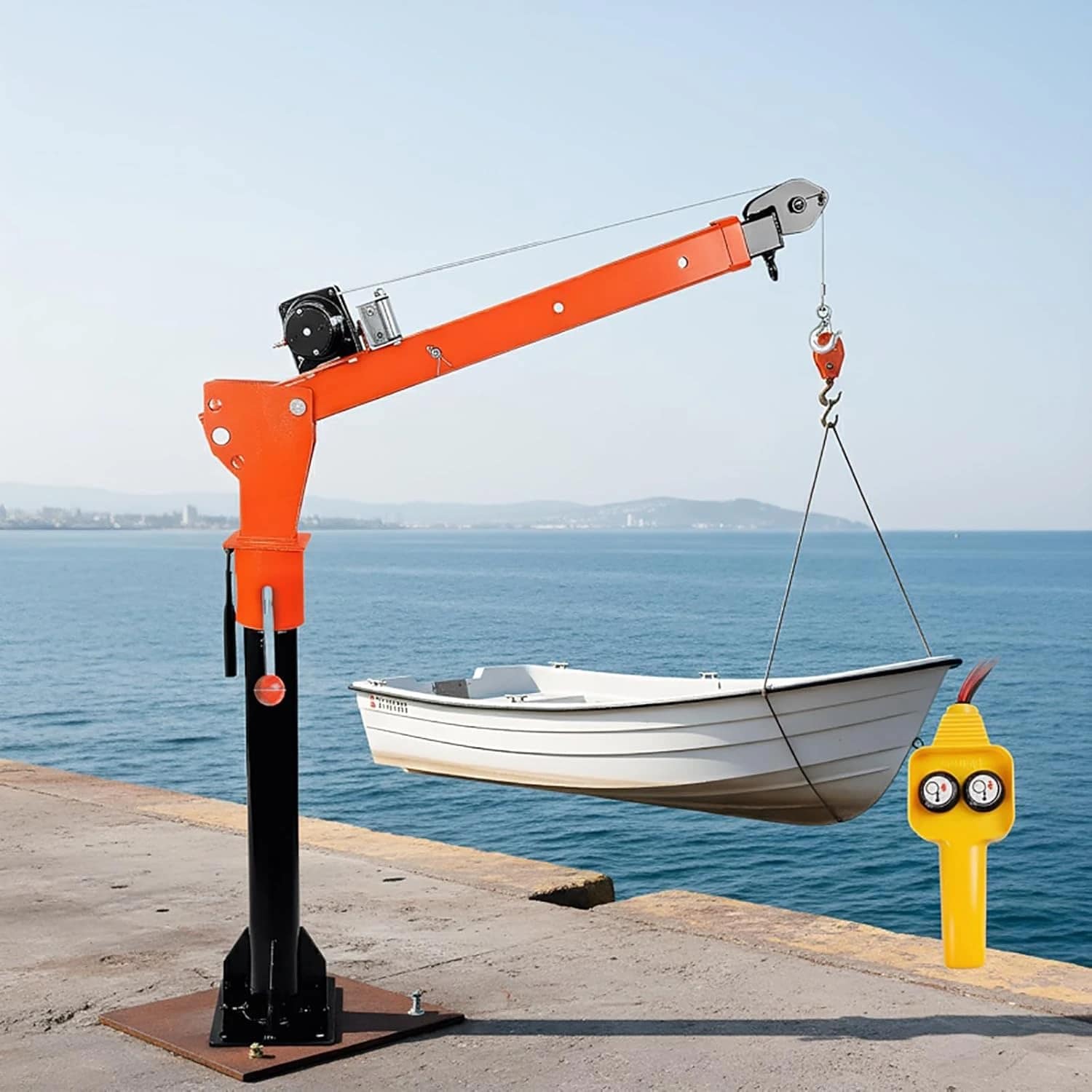
Most marine davit crane installations are fixed to the deck or structure, providing stable lifting points for lifeboat deployment, anchor handling, or supply transfer. These cranes are engineered to withstand dynamic loads and corrosion. For smaller watercraft, a davit crane for boat tasks is often a fixed model with a compact footprint, ideal for stowing tenders.
Portable and Mobile Solutions
In some marine applications, a mobile davit crane offers flexibility for maintenance activities in shipyards or on larger vessels where multiple lifting points are needed. These units can be moved and secured as required, blending the durability of marine-grade materials with portability. When constructed from stainless steel, a mobile davit crane provides both corrosion resistance and ease of relocation.
Material Excellence: Stainless Steel in Marine Davit Cranes
Why Stainless Steel is Preferred
A stainless steel davit crane is the gold standard for marine use due to its unparalleled resistance to rust and pitting caused by saltwater. Grades such as 316 stainless steel are commonly specified for critical components. The longevity of a marine davit crane made from stainless steel reduces lifecycle costs and enhances safety by minimizing material degradation.
Alternatives and Their Limitations
While galvanized steel or aluminum may be used in less demanding environments, they often require more frequent maintenance. For a davit crane for boat exposed to constant salt spray, stainless steel eliminates concerns about coating failure. Even for temporary setups, a stainless steel davit crane ensures that corrosion does not compromise structural integrity.
Applications and Industry Use Cases
Shipboard Cargo and Personnel Transfer
A marine davit crane is routinely used to hoist provisions, equipment, or personnel in enclosed lifeboats. The crane’s design must accommodate the vessel’s list and trim. For leisure boats, a davit crane for boat simplifies launching and retrieving personal watercraft, enhancing onboard convenience.
Offshore Platform Maintenance
On oil and gas platforms, marine davit crane systems support heavy maintenance lifts. Here, a stainless steel davit crane is essential to resist the corrosive atmosphere. Additionally, a mobile davit crane may be temporarily positioned for specific tasks like pump replacement, demonstrating the versatility of modern davit designs.
Operational Best Practices for Marine Davit Cranes
Pre-Lift Inspections and Setup
Before operating any marine davit crane, inspect all fasteners, wire ropes, and hydraulic systems. Ensure the crane’s base is secure and that the load does not exceed rated capacity. For a davit crane for boat operation, consider the effect of vessel movement and use tag lines to control the load.
Lifting Techniques in Dynamic Conditions
When using a marine davit crane in rough seas, operators should coordinate with vessel handling to minimize shock loading. A mobile davit crane set up on a ship deck must be adequately tied down. The smooth surface of a stainless steel davit crane also facilitates cleaning after exposure to saltwater, preventing buildup that could impair moving parts.
Maintenance and Longevity Strategies
Routine Cleaning and Inspection
Regularly rinse a marine davit crane with fresh water to remove salt residues. Pay special attention to crevices and moving parts. For stainless steel davit crane models, passivation treatments can enhance corrosion resistance. Document all inspections to track wear patterns over time.
Component Replacement and Repairs
Over time, wire ropes and sheaves on a davit crane for boat may require replacement. Use only manufacturer-approved parts to maintain safety margins. For a mobile davit crane, check wheel assemblies and locking mechanisms. A proactive maintenance schedule ensures that the crane remains reliable for years.
Conclusion
Drawing on industry experience, selecting a marine davit crane involves prioritizing corrosion-resistant materials like stainless steel, understanding the specific lifting tasks, and adhering to rigorous operational and maintenance protocols. Whether for shipboard use or offshore platforms, the right crane enhances safety and efficiency.
Need More Information On The Types Of Cranes? Contact MAITOR Today!
If you’re in need of an crane for your project but not sure which type or types of cranes will work best for your needs, we can help!
To learn more about our business and our equipment keep reading the helpful articles on our blog page.
To start a partnership with our team here at MAITOR, call us today toget a quote!