

Folding Gantry Crane and Aluminum A Frame Gantry Systems Overview
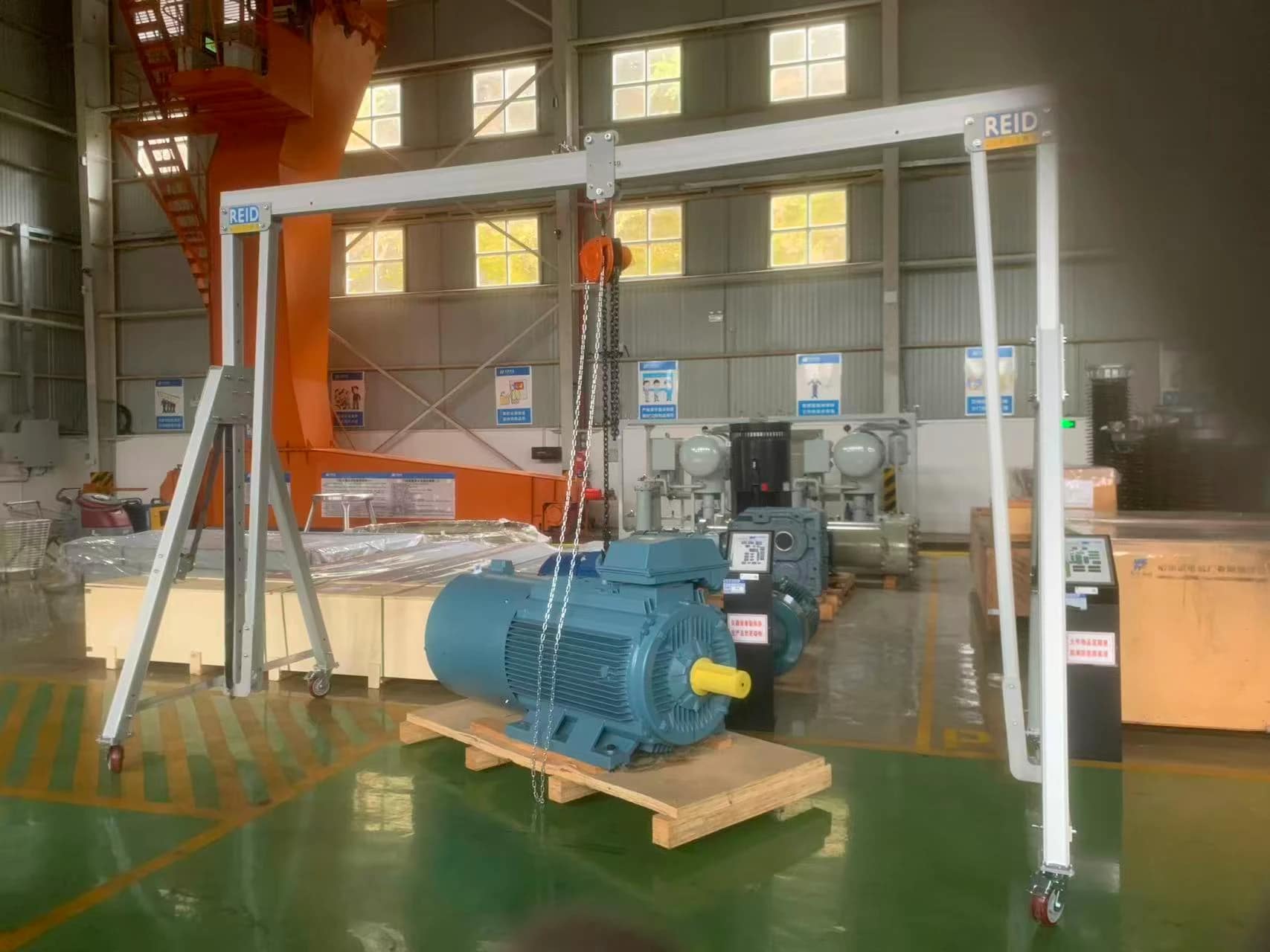
In material handling, the folding gantry crane offers unmatched portability for job sites requiring rapid setup and teardown. Unlike static lifting equipment, these units collapse into compact sections for easy transport and storage. The aluminum a frame gantry provides a lightweight yet robust alternative for workshops needing corrosion-resistant support. Both designs prioritize maneuverability while maintaining safe working loads. Understanding their structural differences helps operators select the appropriate system for repetitive lifting tasks in constrained spaces. This overview focuses on their practical applications and structural integrity without unnecessary complexity.
Defining Portable Lifting Solutions
The evolution of portable lifting equipment has changed how workshops and field operators approach overhead material handling. A folding gantry crane distinguishes itself through a hinge mechanism that allows the legs to fold inward, reducing its footprint when not in use. This design caters to facilities with limited floor space or those requiring frequent relocation of lifting points. Similarly, the aluminum a frame gantry capitalizes on modern alloy engineering to deliver a high strength-to-weight ratio, ensuring resistance to environmental factors like moisture and mild chemical exposure.
Structural Composition and Material Selection
Steel Versus Aluminum in Gantry Construction
Traditional gantry cranes often rely on steel for its durability under extreme loads. However, the folding gantry crane models frequently incorporate reinforced steel joints to withstand repeated folding cycles without compromising stability. In contrast, the aluminum a frame gantry utilizes aircraft-grade aluminum extrusions, which naturally resist rust and reduce overall assembly weight. This material choice is particularly beneficial for mobile maintenance teams who must lift components on sensitive flooring surfaces where steel might cause damage.
Engineering the Folding Mechanism
The folding mechanism represents a critical engineering focus. High-quality folding gantry crane units employ locking pins and fail-safe braces to ensure that once deployed, the structure maintains geometric rigidity. Manufacturers often test these folding joints against thousands of cycles to validate long-term reliability. Operators benefit from simplified storage, as a folded gantry can slide under workbenches or stand vertically in corner spaces, maximizing shop floor organization.
Application Scenarios Across Industries
Workshop and Fabrication Environments
In metal fabrication shops, the aluminum a frame gantry proves advantageous for positioning heavy weldments. Its lightweight nature allows two technicians to reposition the crane without needing a forklift. Meanwhile, the folding gantry crane serves maintenance departments that handle engine pulls or machinery relocation. The ability to fold and roll the unit through standard doorways eliminates the need for permanent overhead rails, offering flexibility for facilities with changing production layouts.
Field Service and Remote Operations
Field service crews often encounter sites without existing lifting infrastructure. Here, the portability of a folding gantry crane becomes indispensable. Technicians can transport the unit in a service truck, assemble it on location, and complete lifting tasks such as installing HVAC units or replacing industrial pumps. The corrosion-resistant nature of the aluminum a frame gantry also makes it suitable for outdoor applications near coastal areas where salt air would accelerate steel deterioration.
Usage Guidelines and Operational Safety
Pre-Use Inspection Protocols
Before deploying either system, operators should inspect all pivot points on a folding gantry crane for signs of wear or deformation. Locking mechanisms must engage fully to prevent accidental collapse during load movement. For the aluminum a frame gantry, checking for surface scratches or dents is essential, as deep gouges can create stress concentration points in the aluminum structure. Load capacity charts should remain affixed to the gantry legs for quick reference.
Load Distribution and Mobility Considerations
When moving a loaded folding gantry crane, operators must verify that floor surfaces are level and free of debris that could affect wheel tracking. Many models incorporate swivel casters with brakes to secure the crane during lifting. For the aluminum a frame gantry, it is advisable to use outriggers or stabilizer bars when handling loads near the maximum rating to prevent lateral instability. Smooth acceleration and deceleration while moving a suspended load minimize pendulum effects.
Historical Development of Portable Gantries
The concept of portable gantries emerged from early 20th-century railway workshops where mechanics needed temporary lifting solutions for locomotive repairs. Early versions were bulky steel structures that required significant disassembly for transport. The introduction of aluminum alloys in the 1950s enabled the development of the aluminum a frame gantry, which reduced weight by nearly 40% compared to steel equivalents. The folding gantry crane gained popularity in the 1980s as manufacturing tolerances improved, allowing precise hinge alignment without sacrificing load capacity. Today, both configurations continue to evolve with better materials and ergonomic features.
Maintenance and Longevity
Regular maintenance ensures that a folding gantry crane remains reliable over decades of service. Lubricating pivot pins and inspecting bolt torque values prevent gradual loosening from vibration. For the aluminum a frame gantry, cleaning with non-abrasive solutions preserves the protective anodized coating. Owners should maintain detailed service logs that document inspection dates, load test results, and any component replacements. Storing either crane indoors when not in use extends the lifespan of wheels, bearings, and structural finishes.
Need More Information On The Types Of Cranes? Contact MAITOR Today!
If you’re in need of an crane for your project but not sure which type or types of cranes will work best for your needs, we can help!
To learn more about our business and our equipment keep reading the helpful articles on our blog page.
To start a partnership with our team here at MAITOR, call us today toget a quote!