
Aluminium Lifting Gantry Design and Workshop Use
In industrial and construction environments, efficient lifting solutions are paramount. The aluminium lifting gantry has become a preferred choice for many due to its practical design and functional benefits. This equipment exemplifies how modern engineering addresses needs for strength, portability, and safety.
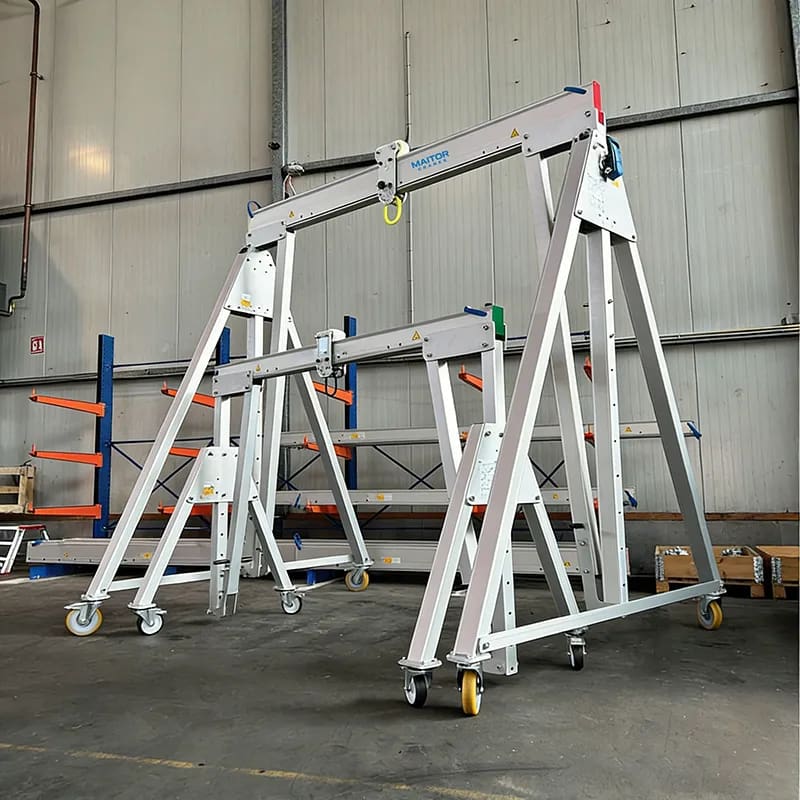
In industrial and construction environments, efficient lifting solutions are paramount. The aluminium lifting gantry has become a preferred choice for many due to its practical design and functional benefits. This equipment exemplifies how modern engineering addresses needs for strength, portability, and safety.
Design and Structural Advantages
The design of an aluminium lifting gantry focuses on achieving maximum strength with minimal weight. Aluminum alloys used in these frames are engineered for high load-bearing capacity while remaining lightweight. This makes the system a truly portable aluminum gantry, capable of being broken down and moved by a small team, enhancing workflow flexibility.
The Role of a Gantry Crane in Workshop Settings
For many facilities, a workshop gantry is an indispensable asset. It facilitates the movement of heavy components, engines, or machinery during repair, fabrication, or assembly. The clear floor space beneath the gantry, unimpeded by fixed columns or rails, allows for unobstructed work on large items, a key advantage over some overhead crane systems.
Selection Guidance from Manufacturers
A reputable gantry crane manufacturer emphasizes matching the crane to its intended use. Key specifications include span width, lifting height, and capacity. For a gantry gantry crane intended for diverse tasks, adjustable height and width features are valuable. The manufacturer’s guidelines provide essential data on load charts and assembly protocols.
Safety protocols are integral to operation. Users must inspect the portable aluminum gantry before each use, checking for structural damage or wear. The load must be centered under the beam and secured properly. Stability is the most critical factor; all locking pins must be engaged, and outriggers, if present, should be fully extended on a solid surface.
Understanding the capabilities and limitations of your lifting equipment is fundamental. Whether you operate a lightweight aluminium lifting gantry or a robust steel model, adherence to rated capacities and proper procedures ensures a safe working environment and prolongs the equipment’s service life.
Need More Information On The Types Of Cranes? Contact MAITOR Today!
If you’re in need of an crane for your project but not sure which type or types of cranes will work best for your needs, we can help!
To learn more about our business and our equipment keep reading the helpful articles on our blog page.
To start a partnership with our team here at MAITOR, call us today toget a quote!