

what is a gantry crane?
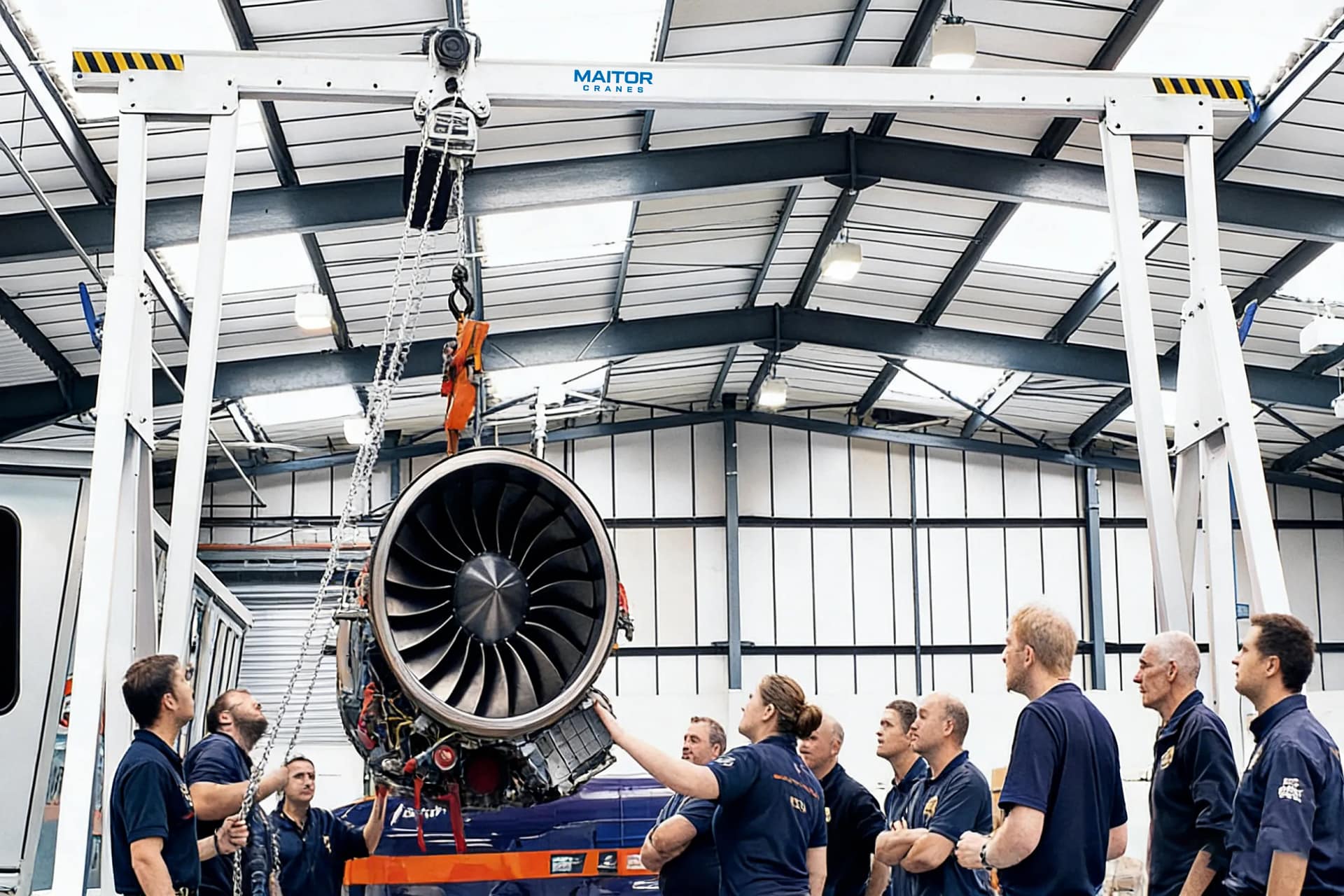
In the evolving landscape of industrial and workshop operations, efficiency and flexibility are paramount. One piece of equipment that epitomizes these qualities is the aluminium gantry crane. Unlike their traditional steel counterparts, these cranes offer a blend of durability and portability that is revolutionizing small to medium-scale material handling.
So, what exactly is a gantry crane? At its core, a gantry crane is a lifting gantry structure with a horizontal beam (the bridge) supported at both ends by rigid or adjustable legs. It operates on ground-level tracks or wheels, making it ideal for areas where overhead crane installation is impractical. The primary advantage of an aluminium gantry lies in its material properties. Aluminum alloys provide substantial load-bearing capacity—with models commonly ranging from 0.5 to 5 tons—while being remarkably lightweight. This makes them inherently portable A frame gantry solutions. A single worker can often relocate the entire system without needing disassembly, a feature highly valued in dynamic workshop environments where space is reconfigured frequently for different projects.
The benefits extend beyond mere portability. Aluminum is naturally resistant to rust and corrosion, which enhances the crane’s longevity in non-climate-controlled spaces like repair shops, warehouses, and even certain outdoor applications. This durability ensures a lower total cost of ownership, as maintenance needs are reduced.
Furthermore, the market now offers extensive customization options for these units. A standard portable gantry crane can be tailored into a custom gantry crane to meet specific operational needs. Key customizable parameters include:
Span and Height: The width between the legs and the lifting height can be adjusted, often without the need for specialized tools, to accommodate different workpiece sizes.
Load Capacity: Systems are available from light-duty 300kg models to heavy-duty versions exceeding 5 tons.
Lifting Mechanism: Options range from manual chain hoists for cost-sensitive applications to electric hoists with variable speed control for precision work.
Mobility: Wheels can be fixed, swivel, or a combination, with some models featuring braking systems for operational stability.
This trend towards customizable, lightweight cranes aligns with the broader industry need for high-quality, adaptable equipment. For businesses engaged in wholesale purchasing or outfitting multiple facilities, the consistency and reliability of these systems are critical. Modern aluminium gantry cranes are designed with standardized interfaces, allowing components like hoists and beams to be interchangeable or upgraded, protecting the buyer’s investment over time.
In conclusion, the move towards aluminium gantry and portable A frame gantry systems is more than a trend; it’s a response to the demand for smarter, more adaptable workshop tools. By opting for a custom gantry crane solution, businesses are not just buying a lifting device—they are investing in a flexible, durable, and efficient core component of their operational workflow, guaranteed by high-quality manufacturing standards that support both retail and wholesale supply chains.