

Light Duty Gantry Crane – Movable and Adjustable
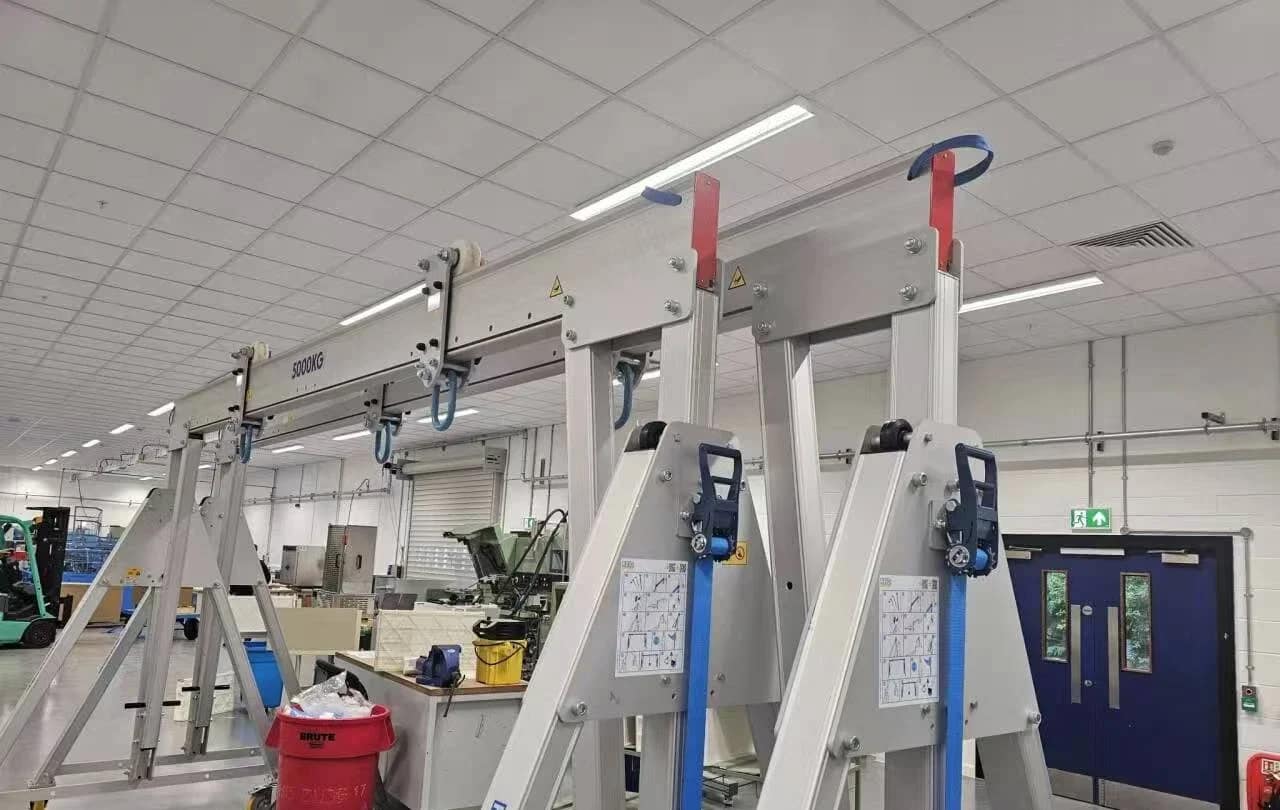
Gantry cranes have been a cornerstone of material handling for over a century. Their overhead beam supported by legs provides a stable lifting solution where permanent bridge cranes are impractical. From small automotive shops to large shipyards, these cranes offer flexibility and efficiency. This article examines the distinct characteristics of various gantry crane configurations, focusing on lightweight, mobile, and height‑adjustable models. It also outlines material choices, operational methods, and critical safety points that influence the selection process.
Types of Gantry Cranes
Gantry cranes are broadly classified by their load capacity, structural design, and mobility. The three configurations most relevant to modern industry are the light duty gantry crane, the movable gantry crane, and the adjustable gantry system. Each type addresses specific lifting scenarios, from occasional maintenance tasks to repetitive production line feeding.
Light Duty Gantry Crane
A light duty gantry crane is engineered for loads typically under five tons. Its construction uses lighter steel sections or aluminium profiles, making it easy to disassemble and store. These cranes are common in machine shops, vehicle repair centres, and laboratories where floor space is shared. The reduced dead weight also means they can be used on mezzanine floors without reinforcement. Many light duty models feature a simple A‑frame design with a hand‑chain or electric hoist.
Movable Gantry Crane
When operations require lifting at multiple locations within a facility, a movable gantry crane becomes indispensable. These cranes are fitted with heavy‑duty castors or flanged wheels that run on tracks. Some designs incorporate motorised drives for moving loaded trolleys, while smaller units are manually pushed. The mobility allows one crane to serve several workstations, eliminating the need for multiple fixed lifts. Movable gantries are widely used in assembly lines, warehouses, and loading bays.
Adjustable Gantry
An adjustable gantry provides the ability to change either the height of the beam or the span between legs. Height adjustment is usually achieved through telescopic columns with pinned settings, enabling the crane to pass under low overhead obstructions or to lift tall items. Span adjustment allows the same gantry to fit different aisle widths. This versatility is particularly valuable in maintenance depots, where tasks vary daily, and in rental fleets that must suit multiple job sites.
Materials and Durability
The longevity and performance of a gantry crane are heavily influenced by its materials. Structural steel, often with a hot‑dipped galvanised finish, offers high strength for heavy‑duty applications and outdoor exposure. Aluminium alloys are favoured for portable and corrosion‑resistant designs, especially in food processing or marine environments. Composite materials are occasionally used for specialised lightweight components. When the time comes to buy gantry crane, examining the material grade, weld quality, and surface protection is as important as comparing load ratings.
Applications Across Industries
Gantry cranes serve a broad spectrum of industries. In shipbuilding, massive steel gantries handle hull sections. In contrast, a light duty gantry crane assists with engine overhauls in railway workshops. Movable gantries streamline production in prefabricated concrete plants, moving moulds along the floor. Adjustable gantries are common in theatrical rigging and exhibition halls, where temporary setups demand quick reconfiguration. Even hobbyists use small aluminium gantries for restoring classic cars or boats, proving the adaptability of the concept.
Operational Methods
Correct operation of a gantry crane extends its service life and ensures safety. Before each lift, the crane should be positioned so that the load is centred between the legs. For movable models, the castors must be locked or brakes applied before hoisting. When using an adjustable gantry, verify that all locking pins are fully engaged and that the beam is level. The hoist should travel smoothly along the beam without binding. Regular lubrication of wheels, pivots, and adjusting mechanisms prevents premature wear.
Historical Development
The origins of the gantry crane can be traced to ancient Roman construction, where wooden tripods with windlasses were used to lift stones. The industrial revolution brought iron and later steel fabrication, enabling larger spans and capacities. By the early 20th century, fixed gantry cranes became common in ports and railways. The mid‑1900s saw the introduction of portable and adjustable designs, driven by the needs of wartime logistics and post‑war manufacturing expansion. Today, computer‑aided engineering and advanced materials continue to refine their efficiency.
Safety and Maintenance Considerations
Safety in gantry crane operation relies on routine inspection and adherence to load limits. Critical points to check include:
Welds and bolted connections for cracks or loosening.
Wheels and axles for wear and smooth rotation.
Hoist hooks for deformation or latch damage.
Warning labels and capacity markings for legibility.
Environmental factors such as wind, corrosive atmospheres, or uneven floors must also be considered. Before you buy gantry crane, verify that it complies with applicable standards like OSHA 1910.179 or ASME B30.2. Additional safety features such as anti‑derailment devices on movable gantries and overload sensors on adjustable models are worthwhile investments.
Factors to Evaluate When Acquiring a Gantry Crane
Selecting the right gantry crane involves balancing technical requirements with workplace constraints. Key aspects to examine include:
Load capacity and duty cycle – match the crane to the heaviest expected load and frequency of use.
Span and height – measure the width of the area to be covered and the maximum headroom available.
Mobility needs – decide between fixed, manually moved, or powered travel.
Floor conditions – ensure castors or wheels are suitable for the surface (e.g., smooth concrete, rough asphalt).
Adjustability requirements – determine if variable height or span is necessary for future tasks.
By analysing these factors, one can make an informed choice without overspending. The process to buy gantry crane should also include comparing warranty terms, availability of spare parts, and the manufacturer’s reputation for support.
Need More Information On The Types Of Cranes? Contact MAITOR Today!
If you’re in need of an crane for your project but not sure which type or types of cranes will work best for your needs, we can help!
To learn more about our business and our equipment keep reading the helpful articles on our blog page.
To start a partnership with our team here at MAITOR, call us today toget a quote!