

How to Make a Gantry Crane
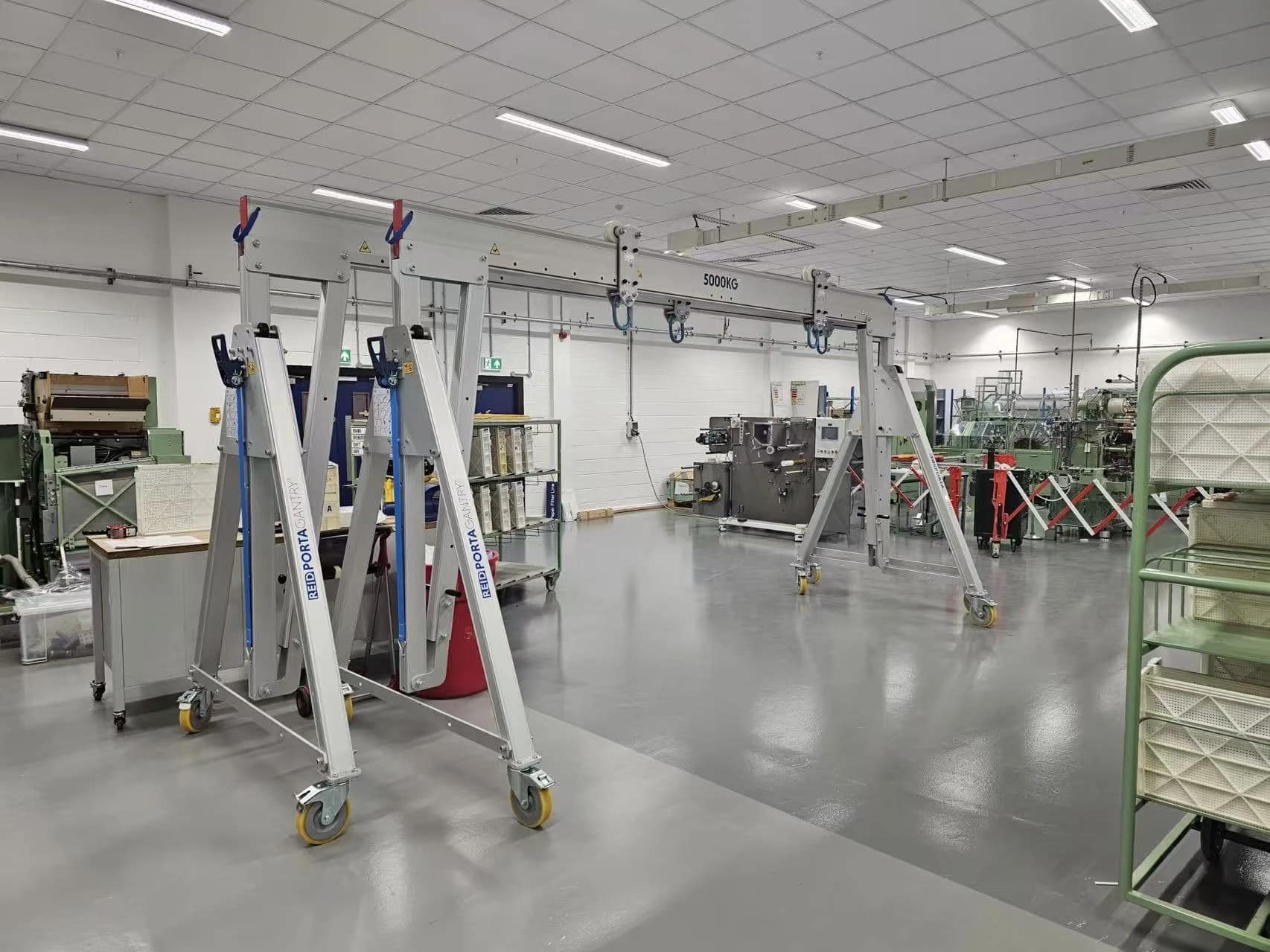
Introduction to Building Gantry Cranes
Gantry cranes have been essential in material handling for over a century, evolving from simple wooden structures in shipyards to sophisticated lifting systems used worldwide. The process of making a gantry crane involves understanding load dynamics, choosing the right materials, and assembling components that ensure stability and safety. Whether for a workshop or industrial site, the design often begins with selecting the appropriate configuration—such as an a frame lifting gantry for balanced support or mobile gantry cranes for tasks requiring movement. This knowledge base covers everything from historical development to modern fabrication methods, focusing on how to create efficient and reliable lifting equipment.
Principal Types of Gantry Cranes for Custom Fabrication
When planning to make a gantry crane, it is crucial to identify the type that suits your specific application. Each design offers unique benefits in terms of portability, capacity, and material use.
The A Frame Lifting Gantry Design
The a frame lifting gantry is one of the most stable configurations, characterised by its triangular legs that distribute weight evenly. This design is ideal for heavy-duty lifting in fixed locations, such as workshops or loading bays. Building an a frame lifting gantry requires precise angle cuts and robust welding to ensure the legs can handle dynamic loads without buckling. The A-frame structure minimises sway, making it a preferred choice when lifting bulky items with electric or manual hoists.
Mobile Gantry Cranes for Portability
For operations that demand flexibility, mobile gantry cranes are the answer. These cranes are equipped with casters or wheels, allowing them to be moved across a shop floor or job site. When constructing mobile gantry cranes, the focus is on the wheel assembly and the locking mechanisms that secure the crane during lifts. The frame must be rigid enough to prevent racking, yet light enough to facilitate easy relocation. Many DIY builders opt for steel or aluminium beams with swivel casters to create a versatile lifting solution.
Light Duty Gantry for Small Workshops
A light duty gantry is designed for lighter loads, typically under two tons, and is popular in home garages, small fabrication shops, and maintenance areas. Making a light duty gantry often involves using smaller steel sections or even high-strength aluminium to reduce weight. The simplicity of the design makes it an excellent project for beginners, as the beam can be a simple I-beam or a box section, supported by two upright frames. Despite the lower capacity, safety considerations remain paramount, especially when integrating hoists.
Incorporating Gantry Hoists
No gantry crane is complete without a lifting mechanism. Gantry hoists come in various forms, including manual chain hoists, electric wire rope hoists, and air hoists. When designing a crane, the choice of gantry hoists affects the beam size and the trolley system. The hoist must travel smoothly along the beam, and the mounting points need to accommodate the hoist’s weight and the intended load. For an a frame lifting gantry, a top-running trolley is common, while mobile gantry cranes often use underhung hoists to keep the centre of gravity low.
Advantages of an Aluminium Gantry
Weight reduction is a key factor in portable crane designs, which is where an aluminium gantry excels. Aluminium offers excellent corrosion resistance and a high strength-to-weight ratio, making it suitable for marine environments or applications where the crane must be frequently moved. Constructing an aluminium gantry requires specialised welding techniques (TIG welding) to maintain joint integrity. Many prefabricated aluminium gantry models are modular, allowing for easy assembly and disassembly, which is a significant advantage for temporary worksites.
Materials and Their Properties
The longevity and performance of a homemade gantry crane depend heavily on material selection. Steel remains the traditional choice for its strength and affordability, but aluminium and other alloys are gaining popularity.
Structural Steel vs. Aluminium
Steel is the go-to material for most light duty gantry and heavy-duty cranes due to its high load-bearing capacity and lower cost. However, steel is prone to rust and adds significant weight. An aluminium gantry, on the other hand, is lighter and naturally corrosion-resistant, though it may require thicker sections to achieve the same strength as steel. For mobile gantry cranes, the reduced weight of aluminium makes manoeuvring easier. When making an a frame lifting gantry from aluminium, careful engineering is needed to prevent flexing at the joints.
Selecting Fasteners a
Beyond the main frame, components like bolts, pins, and wheels play a critical role. For mobile gantry cranes, polyurethane or nylon wheels are preferred to protect floor surfaces and provide smooth rolling. All fasteners should be grade 8 or higher to handle shear forces. In an aluminium gantry, using stainless steel fasteners prevents galvanic corrosion. The beam-to-leg connections, especially in an a frame lifting gantry, must be secured with high-strength pins or bolts to allow for disassembly if needed.
Step-by-Step Process to Make a Gantry Crane
Building a gantry crane from scratch involves several phases, from planning to final assembly. The following steps outline a general approach that can be adapted for different types.
Calculating Load Capacity and Dimensions
Start by determining the maximum load you intend to lift. This dictates the beam size, leg strength, and the capacity of gantry hoists. For a light duty gantry, a span of 10 to 15 feet is common. Sketch your design, noting the height under the beam and the overall width. If you are building an a frame lifting gantry, calculate the angle of the legs—typically 30 to 45 degrees—to ensure stability. For mobile gantry cranes, factor in the additional stress on the casters when moving a loaded crane.
Fabricating the Frame (A Frame Lifting Gantry Example)
Using steel or aluminium, cut the legs and top beam to size. For an a frame lifting gantry, weld the legs to a base plate or a channel that will house the casters. The top beam should have a flange or a track for the trolley. If you are incorporating gantry hoists, ensure the beam’s profile matches the hoist’s trolley wheels. Test fit all components before final welding. For an aluminium gantry, use proper shielding gas and filler rods to achieve strong, clean welds.
Assembling the Mobile Base for Mobile Gantry Cranes
If your goal is mobile gantry cranes, attach heavy-duty swivel casters to the leg bases. Two of the casters should have brakes to lock the crane in place during lifts. The caster capacity must exceed the total weight of the crane plus the maximum load. For a light duty gantry, smaller casters may suffice, but always opt for a safety margin. The base frame should be reinforced to distribute the load from the legs to the wheels evenly.
Installing Gantry Hoists and Trolleys
Once the frame is erected, install the trolley and hoist. Manual gantry hoists are cost-effective for occasional use, while electric hoists increase productivity. The trolley should travel freely along the beam; consider adding end stops to prevent the hoist from running off the track. In an a frame lifting gantry, the hoist is typically centred to maintain balance. Test the movement with no load first, then gradually increase to the rated capacity.
Finishing with Light Duty Gantry or Aluminium Gantry Touches
For a light duty gantry, you might add a chain bag or a hook holder for convenience. If you built an aluminium gantry, consider anodising or painting to enhance corrosion resistance. Apply warning decals and load charts. For mobile gantry cranes, install push handles or a tow bar to make repositioning easier. Finally, inspect all welds and connections.
Historical Evolution of Gantry Cranes
The concept of the gantry crane dates back to ancient times, with early versions used in Egyptian harbours. Modern gantry cranes emerged during the industrial revolution, utilising cast iron and steel. The mid-20th century saw the introduction of mobile gantry cranes with rubber tyres, revolutionising shipbuilding and construction. Today, materials like aluminium and advanced composites allow for lightweight, portable designs such as the aluminium gantry. The a frame lifting gantry remains a timeless design, proving that simplicity and strength are enduring virtues in engineering. As technology advances, integrating smart hoists and remote controls continues to enhance safety and efficiency.
This comprehensive overview provides the foundational knowledge required to approach a gantry crane project with confidence, emphasising the importance of design, material choice, and safety in every step.
Need More Information On The Types Of Cranes? Contact MAITOR Today!
If you’re in need of an crane for your project but not sure which type or types of cranes will work best for your needs, we can help!
To learn more about our business and our equipment keep reading the helpful articles on our blog page.
To start a partnership with our team here at MAITOR, call us today toget a quote!