

Aluminum A Frame Gantry Types for Diverse Lifting Tasks
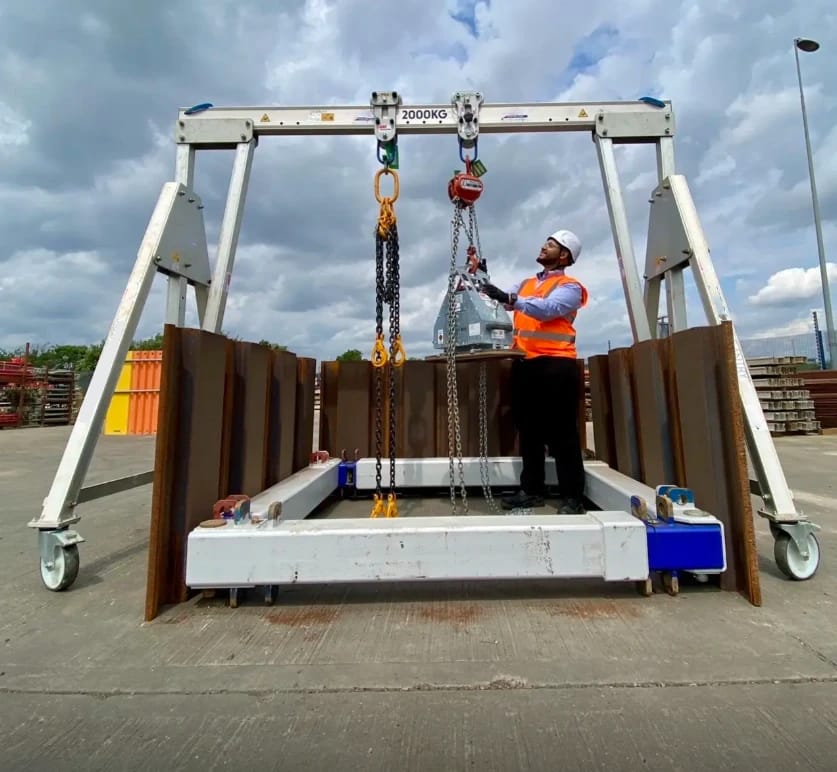
Gantry cranes are defined by their structure, with the “A” frame design being the most common due to its superior stability. The legs, shaped like the letter “A,” provide a wide base that distributes weight effectively, preventing tipping during operation. Understanding the different types available helps in selecting the correct equipment for specific material handling needs.
Single Girder vs. Double Girber Configurations
The primary structural difference in a gantry crane lies in the bridge girder. A single girder design utilizes a single beam, typically an I-beam, which supports the hoist trolley. This configuration is lighter and often more economical, making it suitable for maintenance tasks and workshops with lighter loads.
In contrast, a double girder design features two parallel beams. This allows for a higher lifting height and a greater hook reach. While heavier and more robust, double girder cranes are necessary for handling oversize loads in heavy industrial applications. The choice between these directly impacts the crane’s overall weight and capacity.
Fixed Height and Adjustable Height Models
Beyond the girder count, gantry systems are categorized by their adjustability. Fixed-height gantries offer a rigid structure where the beam is welded or bolted at a set height. This provides maximum strength and is ideal for permanent workstations where the lifting height requirement does not change.
Adjustable height gantries, however, offer significant versatility. The legs feature a series of pin holes or a telescopic mechanism, allowing the beam height to be changed to accommodate different load profiles. An aluminum a frame gantry with adjustable legs is particularly useful in facilities with varying ceiling heights or doorways, allowing the same piece of equipment to be used in multiple locations.
Capacity Ratings and Span
Every gantry crane is rated for a maximum load capacity, which is intrinsically linked to its span—the distance between the legs. A wider span increases the bending moment on the beam, which can reduce the effective lifting capacity if not properly engineered. Heavy-duty models designed for shipyards often feature massive box girders to maintain strength across wide spans. For lighter industrial use, a standard portable lifting gantry might have a span of 3 to 5 meters, sufficient for most maintenance bays.
Need More Information On The Types Of Cranes? Contact MAITOR Today!
If you’re in need of an crane for your project but not sure which type or types of cranes will work best for your needs, we can help!
To learn more about our business and our equipment keep reading the helpful articles on our blog page.
To start a partnership with our team here at MAITOR, call us today toget a quote!